
Tuesday, April 25, 2006
BURP!!!!!
My first prenatal check up with my OB is this Sat. We're both kinda excited coz for the first time we will be able to see the baby on the screen in the very first ultrasound of my pregnancy. We have been waiting a very long time for this check up and so wanted to go earlier but was advised not to by the GP as anytime before 8 weeks, the scanning will not be able to detect the heart beat of the foetus and we'd only have to come again. (Oh by the way after 8 weeks now its called foetus instead of the clinical term embryo used before)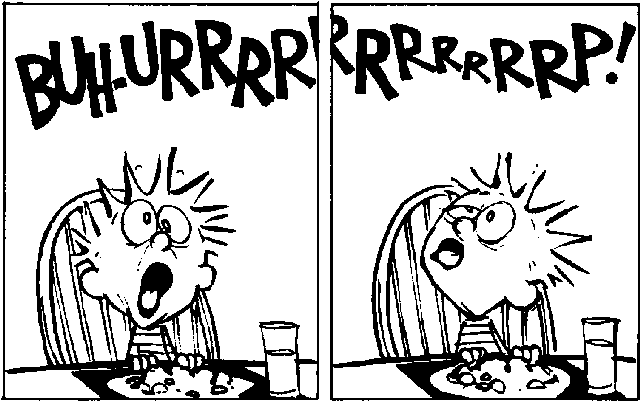
The question I have been asked most is if I have started "morning sickness" yet. To date, thank God, I haven't had any. And I have had no cravings for any particular food yet too. But I have been experiencing a little heartburn and lotsa gas. Its weird how many times I can burp in a day, not to mention gas escaping via the alternative route too. hehe. I swear I can hold a one-woman concert if I am asked to. Its not too bad I guess at least its better than retching my guts out although it can be really embarassing at times. (Not to mention I'm the butt (oops pun unintended!) of His jokes and whenever there is a sound, he will look at me and think the sound is coming from me!)
Gas
Most pregnant women suffer from bloating and increased gas in the belly at some point during pregnancy. Gas can cause abdominal pain or discomfort.
Causes of Gas During Pregnancy
During pregnancy, hormones relax the muscles in your digestive tract. This slows down your digestion and can cause gas to build up. Gas leads to bloating, burping, passing gas, discomfort, and pain in the belly—especially after a big meal.
Certain foods can make gas worse. But these vary from person to person. Some people naturally produce more gas than others. Some people get a lot of gas from foods that don't bother others.
In general, some starches (such as pasta and potatoes), some fiber-rich foods (such as oat bran and beans), and foods that contain certain sugars (such as cabbage and cauliflower) cause gas for many people. Women who have trouble digesting dairy products may have bloating and gas when they eat more of these products during pregnancy.
Gas: What You Can Do
The following suggestions may help prevent excessive gas:
Reduce the amount of air you swallow. Eat several small meals throughout the day instead of a few large meals. Don’t eat in a hurry. Take your time, chew your food thoroughly, and don’t talk while eating. Avoid drinking from a bottle or straw. Cut down on carbonated beverages. Don’t gulp while drinking. Avoid chewing gum or sucking on hard candy.
Identify foods that bother you. Keep a food diary to help you find the foods that cause problems. Cut back on these foods, if possible, while being sure to eat a healthy diet. Cut back on fried and fatty foods, which can add to bloating.
11:37 am |
2 comments
~~~~~~~~

